
Introduction
Psychotherapy represents a dynamic and evolving field dedicated to alleviating psychological distress, fostering self-understanding, and promoting personal growth through structured therapeutic relationships.
The development of psychotherapeutic modalities has been influenced by theoretical paradigms, empirical research, and cultural contexts that define the nature and goals of therapy (Gelso & Williams, 2022). Each modality is characterized by distinct assumptions about human behavior, personality development, and mechanisms of change.
From the psychoanalytic models of the early 20th century to contemporary integrative and multicultural approaches, psychotherapy continues to diversify, reflecting both scientific advances and sociocultural shifts (Feltham & Horton, 2006).
Read More: Projective Tests
1. Psychodynamic Modalities
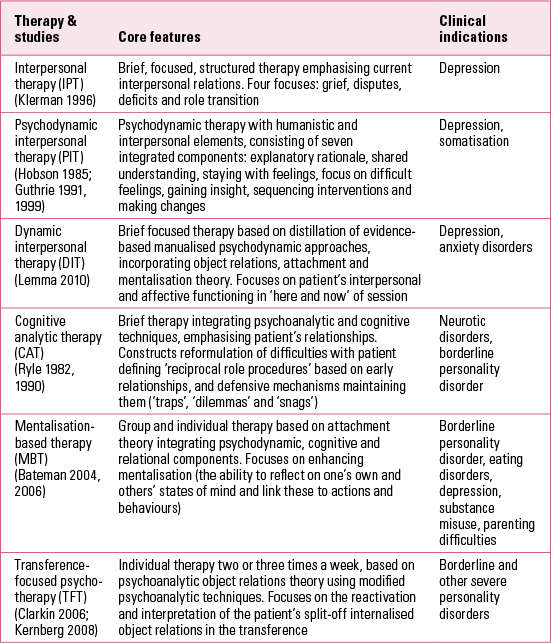
Psychodynamic psychotherapy, rooted in the work of Sigmund Freud, emphasizes the influence of unconscious processes, early childhood experiences, and intrapsychic conflict on current behavior (Corsini & Wedding, 1995). Freud’s psychoanalysis introduced key concepts such as transference, defense mechanisms, and the structure of personality (id, ego, superego). Subsequent theorists, including Jung, Adler, and Erikson, expanded upon Freud’s foundation, creating analytic and developmental variants that emphasized interpersonal relationships and ego development (Gelso & Fretz, 1995).
Psychodynamic Psychotherapy
Modern psychodynamic modalities, such as object relations and self-psychology, focus on internalized representations of self and others and their impact on interpersonal functioning. The therapeutic relationship itself becomes a corrective emotional experience where unconscious conflicts can be understood and transformed (Gelso & Williams, 2022). Psychodynamic therapy has evolved to be more time-limited and problem-focused, integrating techniques such as interpretation, confrontation, and clarification to enhance insight and emotional awareness (Prochaska & Norcross, 2007).
2. Behavioral and Cognitive-Behavioral Modalities
Behavior therapy emerged in the mid-20th century as a reaction against the speculative nature of psychoanalysis, emphasizing observable behavior and empirical validation (Rimm & Masters, 1987). Rooted in learning theories by Pavlov, Skinner, and Bandura, behavioral modalities focus on modifying maladaptive behaviors through conditioning principles such as reinforcement, modeling, and exposure. Techniques include systematic desensitization, token economies, and contingency management, widely used in treating anxiety, phobias, and behavioral disorders (Gelso & Fretz, 1995).
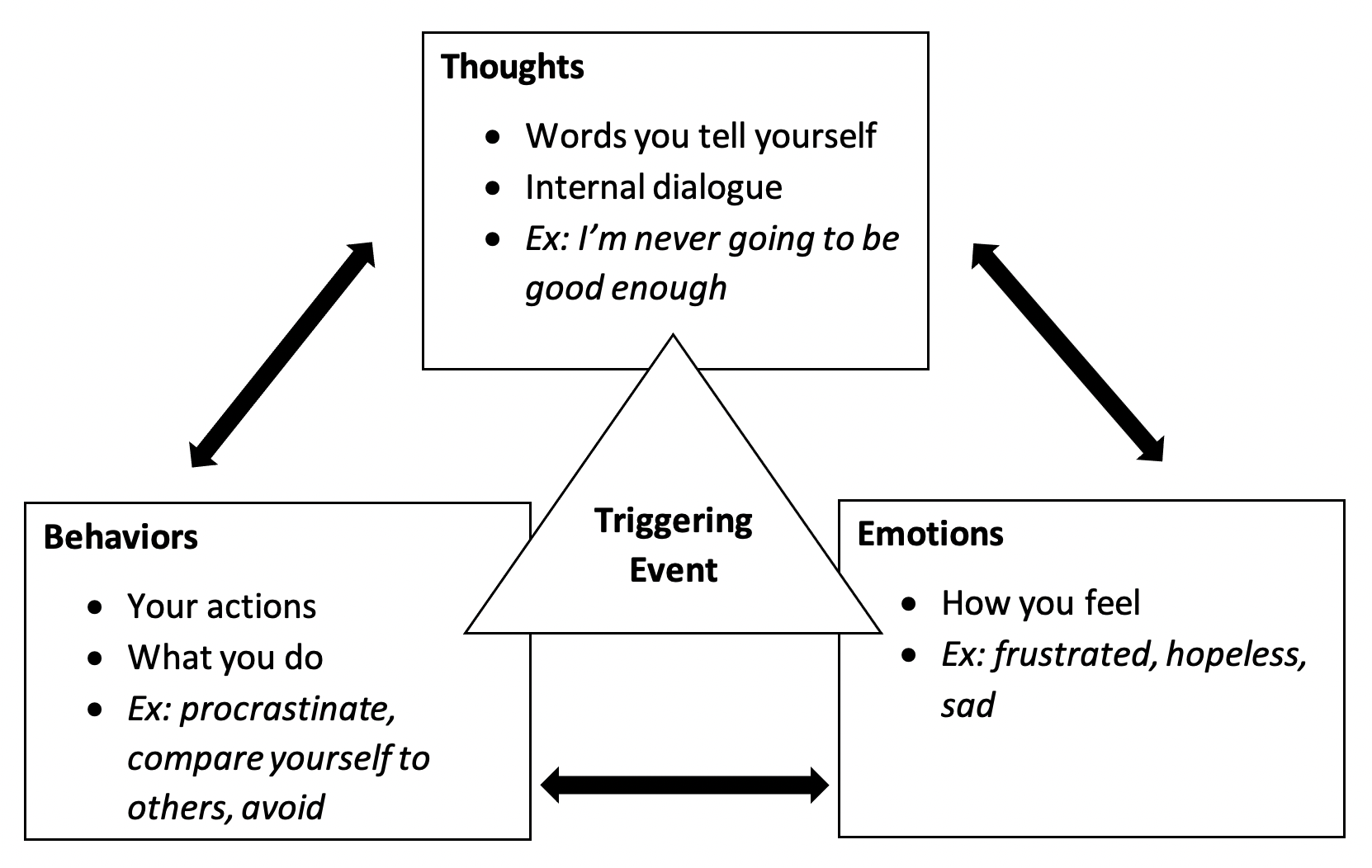
The rise of cognitive therapy, pioneered by Beck (1976) and Ellis (Ellis & Harper, 1975), expanded the behavioral framework by addressing maladaptive cognitions that mediate emotions and actions. Beck’s cognitive therapy and Ellis’s rational emotive behavior therapy (REBT) propose that distorted thinking patterns contribute to emotional distress and can be modified through cognitive restructuring and disputation of irrational beliefs.
CBT
Cognitive-behavioral therapy (CBT) represents the integration of cognitive and behavioral principles, offering structured, goal-oriented interventions that emphasize self-monitoring, skills training, and relapse prevention (Capuzzi & Gross, 2008). Empirical research consistently supports CBT’s efficacy across a wide range of psychological disorders, including depression, anxiety, and post-traumatic stress (Prochaska & Norcross, 2007). Its adaptability to group, couple, and online formats further underscores its versatility as a leading evidence-based modality.
3. Humanistic and Existential Modalities
Humanistic and existential psychotherapies emerged as the “third force” in psychology, countering the deterministic and reductionist tendencies of psychoanalysis and behaviorism. Humanistic theorists, including Carl Rogers, Abraham Maslow, and Fritz Perls, emphasize self-actualization, personal responsibility, and the inherent potential for growth (Feltham & Horton, 2006). Rogers’ person-centered therapy focuses on creating a therapeutic climate characterized by empathy, genuineness, and unconditional positive regard (Gelso & Williams, 2022). The therapist’s role is to facilitate self-exploration rather than direct change, enabling clients to access their innate capacity for healing.
Existential therapy, influenced by philosophers such as Kierkegaard, Heidegger, and Sartre, confronts fundamental human concerns—freedom, isolation, meaning, and mortality (Corey, 2008). The therapeutic process seeks to enhance authenticity and meaning-making in the face of existential anxiety. Techniques often include phenomenological inquiry and exploration of values and choices. Integrative humanistic approaches, such as Gestalt therapy and transactional analysis, blend experiential methods with awareness and relational dynamics (Stewart, 2000). Gestalt therapy emphasizes present-centered awareness and emotional expression, while transactional analysis focuses on social interactions and ego states that influence behavior.
4. Systemic and Family Modalities
Systemic therapies conceptualize psychological problems not as individual pathologies but as manifestations of dysfunctional relational patterns within families or social systems (Nelson-Jones, 2009). Grounded in general systems theory and cybernetics, family therapy examines communication, hierarchy, and feedback loops within the family unit (Feltham & Horton, 2006). Approaches such as structural family therapy (Minuchin), strategic family therapy (Haley), and Bowenian intergenerational therapy offer frameworks for understanding how relational dynamics maintain symptomatic behavior.
Systemic modalities emphasize collaboration, reframing, and pattern interruption rather than diagnosis. The therapist acts as a catalyst for system-wide change by modifying interactions and fostering healthier boundaries (Prochaska & Norcross, 2007). These approaches are particularly effective in addressing marital conflict, adolescent behavior problems, and psychosomatic disorders. Moreover, narrative therapy, as articulated by Brown and Augusta-Scott (2007), extends systemic thinking by focusing on the stories people construct about their lives. By externalizing problems and reauthoring narratives, clients can reclaim agency and develop more empowering identities.
5. Group Counseling and Psychotherapy
Group psychotherapy integrates multiple theoretical orientations within a collective therapeutic context. Corey (2008) highlights that group counseling promotes interpersonal learning, social modeling, and mutual support, enabling members to observe and practice new behaviors in a safe environment. Group modalities may adopt psychodynamic, cognitive-behavioral, humanistic, or integrative frameworks depending on the goals and composition of the group.
In psychodynamic groups, issues of transference and group cohesion mirror family dynamics, offering opportunities for corrective experiences. In contrast, CBT-oriented groups emphasize skills development, problem-solving, and behavioral rehearsal. Humanistic-experiential groups focus on authenticity, feedback, and emotional expression. Group therapy’s power lies in the curative factors identified by Yalom, such as universality, altruism, and interpersonal learning (Corey, 2008). It is especially effective for interpersonal disorders, addiction recovery, and social skills training.
6. Integrative and Multicultural Modalities
As the field matures, many therapists adopt integrative or eclectic approaches, drawing from multiple theoretical systems to tailor interventions to client needs. The transtheoretical model proposed by Prochaska and Norcross (2007) synthesizes stages and processes of change across therapies, offering a meta-framework for integration. Eclecticism allows practitioners to combine, for instance, cognitive-behavioral techniques with humanistic principles or psychodynamic insight with mindfulness-based strategies.
Cultural responsiveness has become a critical component of psychotherapy, emphasizing sensitivity to clients’ cultural, spiritual, and social contexts. Gelso and Williams (2022) underscore the necessity of multicultural competence—understanding how cultural identity, oppression, and privilege influence psychological functioning and therapeutic processes.
Indigenous and Eastern modalities, such as yoga-based psychotherapy (Rama, Ballentine, & Ajaya, 1976) and Indian systems of psychotherapy (Veereshwar, 2002), highlight the integration of body, mind, and spirituality in healing. Ajaya (1989) and Watts (1973) further explore parallels between Eastern contemplative traditions and Western psychotherapy, emphasizing holistic and transpersonal perspectives. Such cross-cultural integration broadens the therapeutic repertoire and aligns with global mental health movements promoting inclusivity and cultural humility.
7. Emerging Modalities and Contemporary Trends
Contemporary psychotherapy increasingly incorporates neuroscientific findings, technology, and mindfulness-based interventions. The rise of telepsychology and online counseling has expanded accessibility, while empirical research informs the refinement of evidence-based practices (Gelso & Williams, 2022). Mindfulness-based cognitive therapy and acceptance and commitment therapy represent “third-wave” CBT modalities that blend behavioral strategies with acceptance and compassion (Capuzzi & Gross, 2008). Similarly, trauma-informed approaches integrate neurobiological insights to address the effects of trauma on the body and mind.
Integrative health models now emphasize psychophysiological balance through body-based therapies, yoga, and biofeedback (Rama et al., 1976). These trends reflect a shift from pathology reduction toward holistic well-being and resilience building. Furthermore, increasing emphasis on outcome research and culturally adapted interventions reinforces psychotherapy’s ethical and empirical foundations.
Conclusion
Psychotherapeutic modalities collectively represent the diverse yet interconnected efforts to understand and alleviate human suffering. From Freud’s explorations of the unconscious to contemporary integrative, evidence-based, and culturally grounded approaches, psychotherapy has evolved into a multidimensional discipline. Each modality—whether psychodynamic, behavioral, humanistic, systemic, or integrative—offers unique pathways to healing and personal transformation. As Gelso and Williams (2022) argue, the effectiveness of psychotherapy rests not only on theoretical orientation but also on the quality of the therapeutic relationship, cultural attunement, and ethical integrity. The continued evolution of psychotherapeutic modalities underscores the field’s commitment to scientific inquiry, cultural sensitivity, and humanistic care.
References
Ajaya, S. (1989). Psychotherapy: East and West. Hinsdale, PA: Himalayan International Institute.
Beck, A. T. (1976). Cognitive therapy and behavior disorders. New York: International Universities Press.
Brown, C., & Augusta-Scott, T. (2007). Narrative therapy. Sage Publications.
Capuzzi, D., & Gross, D. R. (2008). Counseling and psychotherapy: Theories and interventions (4th ed.). Pearson Education India.
Corey, G. (2008). Theory and practice of group counseling. Belmont, CA: Thomson Brooks/Cole.
Corsini, R. J., & Wedding, D. (Eds.). (1995). Current psychotherapies. Itasca, IL: F. E. Peacock.
Ellis, A., & Harper, A. (1975). A new guide to rational living. Englewood Cliffs, NJ: Prentice-Hall.
Feltham, C., & Horton, I. E. (Eds.). (2006). The Sage handbook of counselling and psychotherapy (2nd ed.). London: Sage Publications.
Gelso, C. J., & Fretz, B. R. (1995). Counselling psychology. Bangalore: Prism Books Pvt. Ltd.
Gelso, C. J., & Williams, E. N. (2022). Counseling psychology. Washington, DC: American Psychological Association.
Nelson-Jones, R. (2009). Theory and practice of counselling and therapy (4th ed.). London: Sage Publications.
Prochaska, J. O., & Norcross, J. C. (2007). Systems of psychotherapy: A transtheoretical analysis (6th ed.). Belmont, CA: Thomson Brooks/Cole.
Rama, S., Ballentine, R., & Ajaya, S. (1976). Yoga and psychotherapy. Hinsdale, PA: Himalayan International Institute.
Rimm, D. C., & Masters, J. C. (1987). Behavior therapy: Techniques and empirical findings. New York: Harcourt Brace Jovanovich.
Stewart, I. (2000). Transactional analysis counseling in action. London: Sage Publications.
Veereshwar, P. (2002). Indian systems of psychotherapy. Delhi: Kalpaz Publications.
Watts, A. W. (1973). Psychotherapy: East and West. London: Penguin Books.
Niwlikar, B. A. (2025, November 4). 7 Important Psychotherapeutic Modalities. Careershodh. https://www.careershodh.com/psychotherapeutic-modalities/