
Introduction
Career development is a lifelong process that evolves as individuals grow, gain experiences, and redefine their self-concepts. One of the most influential theories that explains career development across the lifespan is Super’s Development-Self Concept Approach. Proposed by Donald E. Super, this theory emphasizes that career choice and development are expressions of an individual’s evolving self-concept.
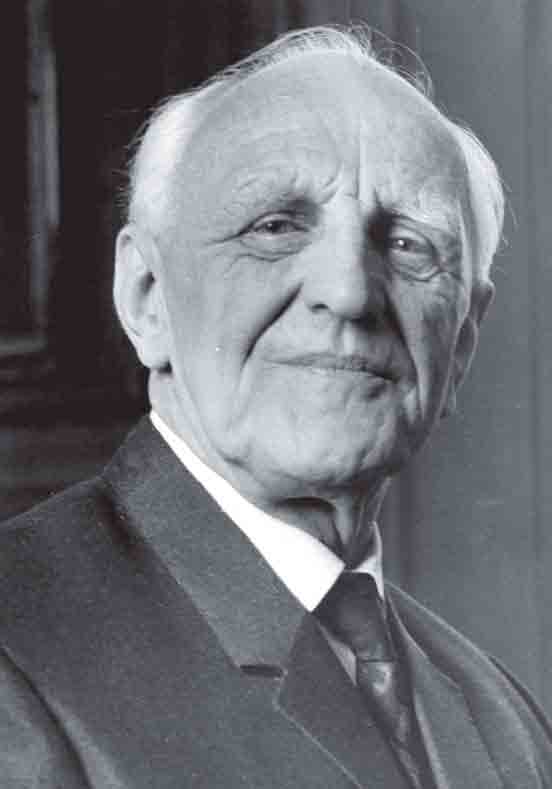
Donald Super
Super’s approach marked a shift from static, trait-based theories toward a developmental perspective that recognizes career behavior as dynamic and influenced by personal and environmental factors. According to Gibson and Mitchell (2003), Super’s theory provides a comprehensive framework for understanding how individuals make career choices and adapt to occupational roles over time.
Read More: Career Counselling Stages
Basic Assumptions of Super’s Theory
Super’s theory is based on several key assumptions:
- Career development is a lifelong process
- Individuals seek to implement their self-concepts through work roles
- Self-concept evolves through experience and interaction with the environment
- Career choices reflect attempts to express abilities, interests, values, and personality
- Career satisfaction depends on the degree of self-concept implementation
These assumptions highlight the dynamic and developmental nature of career behavior (Super, as cited in Gladding, 2014).
Concept of Self-Concept
Self-concept refers to the individual’s perception of self, including abilities, interests, values, and aspirations. According to Super, self-concept is not fixed; it develops through growth, exploration, feedback, and life experiences.
Papalia, Olds, and Feldman (2004) emphasize that self-concept becomes more differentiated and stable as individuals mature. Career choices are therefore temporary expressions of self-concept at particular life stages rather than final decisions.
Stages of Career Development
Super proposed five major stages of career development, each associated with specific developmental tasks. Individuals may recycle through stages during career transitions.
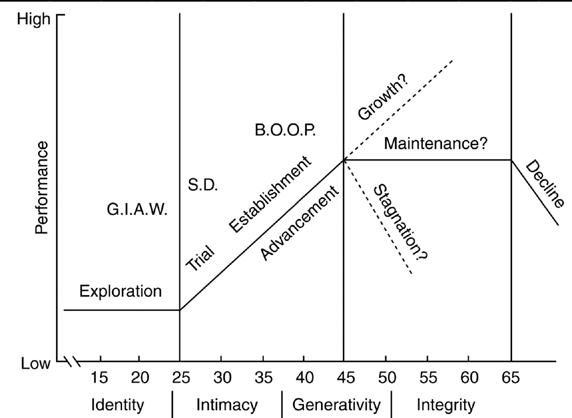
Super’s Theory of Career Progression
1. Growth Stage (Birth to 14 years)
The growth stage focuses on the development of self-concept through experiences at home, school, and community.
Key Characteristics:
- Development of attitudes toward work
- Formation of interests and capacities
- Fantasy-based career choices
Career counselling at this stage emphasizes exposure, encouragement, and positive work attitudes (Rao, 2006).
2. Exploration Stage (15 to 24 years)
The exploration stage involves tentative career choices and experimentation.
Sub-stages:
- Crystallization (identifying preferences)
- Specification (narrowing options)
- Implementation (initial job entry or training)
Adolescents and young adults explore career alternatives through education, part-time work, and training (Papalia et al., 2004).
3. Establishment Stage (25 to 44 years)
In this stage, individuals seek stability and advancement in their chosen careers.
Key Tasks:
- Skill development
- Career stabilization
- Advancement and achievement
Career counselling supports skill enhancement, goal setting, and role adjustment during this stage (Gibson & Mitchell, 2003).
4. Maintenance Stage (45 to 64 years)
The maintenance stage focuses on preserving achievements and adapting to changes.
Key Tasks:
- Updating skills
- Maintaining performance
- Mentoring younger workers
Counselling may address job satisfaction, career plateaus, and work-life balance.
5. Decline or Disengagement Stage (65 years and above)
This stage involves reduced work involvement and preparation for retirement.
Key Tasks:
- Role redefinition
- Planning for retirement
- Pursuing alternative life roles
Career counselling helps individuals find meaning and continuity beyond paid employment.
Life Roles and Life-Space
Super expanded his theory to include the concept of life roles, recognizing that work is only one aspect of a person’s life. Other roles include:
- Child
- Student
- Worker
- Homemaker
- Citizen
- Leisurite
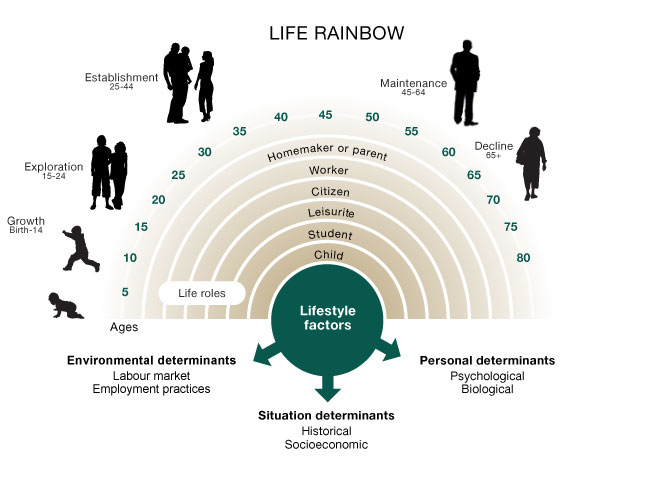
Life Space
The life-space represents the combination of roles an individual occupies at a given time (Gladding, 2014).
Career Maturity and Career Adaptability
- Career Maturity: Career maturity refers to the individual’s readiness to make age-appropriate career decisions. It includes attitudes, competencies, and decision-making skills (Rao, 2006).
- Career Adaptability: In later revisions, Super emphasized career adaptability, reflecting the ability to cope with career changes, transitions, and challenges in a dynamic work environment.
Role of Career Counselling in Super’s Theory
Career counselling helps individuals:
- Clarify self-concept
- Navigate developmental tasks
- Cope with career transitions
- Integrate multiple life roles
According to Arulmani and Arulmani (2004), Super’s theory provides a flexible framework for individualized career counselling.
Applications of Super’s Theory
Super’s theory is widely applied in:
- Educational guidance
- Career assessment and planning
- Adult career transitions
- Retirement counselling
It is especially useful for understanding career development over time rather than single-point decisions.
Strengths of Super’s Theory
- Lifespan perspective
- Emphasis on self-concept
- Recognition of multiple life roles
- Flexibility and developmental focus
These strengths make it highly relevant in modern career counselling.
Limitations of Super’s Theory
Despite its strengths, the theory has limitations:
- Broad and complex structure
- Less emphasis on socio-economic constraints
- Stage ages may not apply universally
Counsellors must adapt the model to cultural and contextual realities.
Relevance in the Contemporary Context
In today’s rapidly changing work environment, individuals often experience multiple career transitions. Super’s emphasis on adaptability and lifelong development makes the theory particularly relevant (Chaturvedi, 2007).
Conclusion
Super’s Development–Self Concept Approach provides a comprehensive and dynamic framework for understanding career development across the lifespan. By emphasizing the evolving nature of self-concept, life roles, and adaptability, the theory highlights career development as an ongoing process rather than a single choice. Super’s model continues to inform career counselling practice by supporting individuals in achieving meaningful and satisfying career lives.
References
Arulmani, G., & Arulmani, S. (2004). Career counselling: A handbook. Tata McGraw-Hill.
Chaturvedi, R. (2007). Career guidance and counselling. Crescent Publishing Corporation.
Gibson, R. L., & Mitchell, M. H. (2003). Introduction to counselling and guidance. Pearson Education.
Gladding, S. T. (2014). Counselling: A comprehensive profession. Pearson Education.
Papalia, D. E., Olds, S. W., & Feldman, R. D. (2004). Human development. Tata McGraw-Hill.
Rao, S. N. (2006). Counselling and guidance. Tata McGraw-Hill.
Niwlikar, B. A. (2025, December 31). Super’s Development-Self Concept Approach and 5 Basic Approaches of It. Careershodh. https://www.careershodh.com/supers-development-self-concept-approach/