
Introduction
Hallucinogen-Related and Inhalant-Related Disorders fall under the category of Substance-Related and Addictive Disorders in the DSM-5. These substances alter perception, cognition, consciousness, and behavior through disruption of normal brain functioning. While hallucinogens primarily distort sensory experiences and produce perceptual abnormalities, inhalants depress the central nervous system and may cause sudden intoxication, neurological damage, or even death.

Hallucinogen-Related Disorder
Despite differences in pharmacology, both groups share the risk of psychological dependence, impaired judgment, and significant social, occupational, and health-related complications. These disorders are more common in adolescents and young adults due to increased experimentation, peer pressure, and high accessibility (especially inhalants, which are legally available household chemicals).
Read More: Cluster B Disorder
1. Hallucinogen-Related Disorders
Hallucinogens are substances that produce profound alterations in perception, mood, and cognition. Common examples include LSD, psilocybin (mushrooms), mescaline, MDMA, and PCP.
Diagnostic Features (DSM-5)
Some features include:
- Perceptual Distortions – hallucinations, altered time perception, intensified colors, and sensory blending.
- Psychological Changes – mood swings, euphoria, anxiety, paranoia, depersonalization.
- Behavioral Changes – impaired judgment, dangerous behaviors, emotional instability.
- Tolerance Development – rapid tolerance requiring higher doses.
- Persistent Perception Disorders – flashbacks or HPPD (Hallucinogen Persisting Perception Disorder).
- Interpersonal & Occupational Impairment – difficulty maintaining responsibilities due to intoxication or after-effects.
- Craving / Continued Use – despite physical danger or psychological distress.
Types of Hallucinogens
- Classic Hallucinogens (LSD, psilocybin, mescaline) – distort perception and cause sensory hallucinations.
- Dissociative Hallucinogens (PCP, ketamine, DXM) – cause detachment from self and environment.
- Entactogens (MDMA) – enhance emotional bonding, euphoria, and sensory enhancement.
Causes and Risk Factors
Some causes include:
1. Biological Factors
- Serotonin dysregulation (especially 5-HT2A receptors).
- Genetic vulnerability to perceptual or anxiety disorders.
2. Psychological Factors
- Sensation-seeking personality.
- Trauma, emotional distress, depression, or curiosity.
3. Social and Environmental Factors
- Peer influence, nightclub culture, availability at festivals.
- Media portrayal of psychedelics.
4. Developmental Factors
Most users begin in late adolescence or early adulthood.
Treatment Approaches
Some treatment approaches include:
1. Psychotherapy
- Cognitive Behavioral Therapy (CBT): Addresses triggers, irrational beliefs, and coping skills.
- Motivational Interviewing: Increases readiness to change.
- Contingency Management: Reinforcement for abstinence.
2. Pharmacological Treatment
- No medication specifically treats hallucinogen addiction, but symptoms can be managed:
- Antipsychotics: for severe agitation or psychosis.
- Benzodiazepines: for panic or severe anxiety.
- SSRIs: for long-term mood stabilization.
- No medication specifically treats hallucinogen addiction, but symptoms can be managed:
3. Supportive Care
- Hydration, monitoring, and reassurance during acute intoxication.
- Treatment of “bad trips” with calm environment.
2. Inhalant-Related Disorders
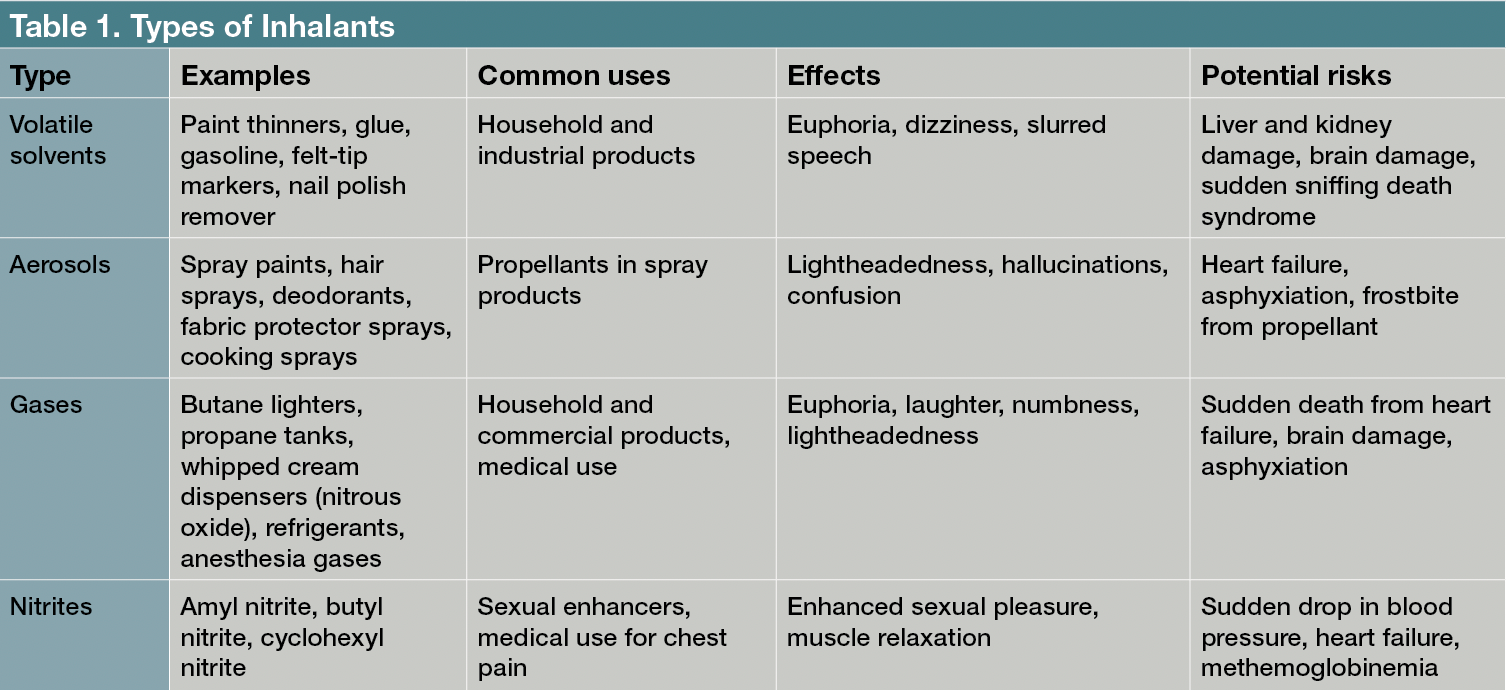
Inhalants are volatile substances such as glue, paint thinner, gasoline, aerosol sprays, and nitrous oxide that are inhaled for psychoactive effects.
Inhalant Use Disorder
Diagnostic Features (DSM-5)
Some features include:
- Rapid Intoxication – dizziness, euphoria, hallucinations, slurred speech.
- CNS Depression – poor coordination, slowed reflexes, stupor, coma.
- Organ Damage – liver, kidney, bone marrow, and brain toxicity.
- Tolerance – repeated use increases required dose.
- Withdrawal Symptoms – nausea, irritability, sleep problems, appetite loss.
- Dangerous Behavior – accidents, burns, suffocation, risky acts.
- “Sudden Sniffing Death Syndrome” – fatal cardiac arrhythmia.
Causes and Risk Factors
Some causes include:
1. Biological Factors
- Brain sensitivity to depressants.
- Genetic vulnerability to impulsivity.
2. Psychological Factors
- Impulsivity, thrill-seeking, emotional problems.
- Trauma and neglect.
3. Social and Environmental Factors
- High accessibility of household chemicals.
- Peer influence, poverty, unstable home environment.
- Use often begins in early adolescence.
Treatment Approaches
Some treatments include:
1. Psychotherapy
- CBT: to address behaviors and teach life skills.
- Family Therapy: essential for adolescent users.
- Behavioral Reinforcement: reward-based abstinence programs.
2. Medical Treatment
- Treating organ damage and neurological complications.
- Medications for comorbid conditions (e.g., depression).
3. Rehabilitation Programs
- Long-term residential programs may be needed for chronic use.
- Education on risks and relapse prevention strategies.
Conclusion
Hallucinogen and inhalant use disorders present significant risks due to their impact on perception, behavior, and neurological functioning. While hallucinogens primarily affect sensory and cognitive processes, inhalants carry severe physical risks such as organ failure and sudden death. Early identification, psychological support, family involvement, and comprehensive rehabilitation programs are crucial for recovery.
References
American Psychiatric Association. (2013). Diagnostic and Statistical Manual of Mental Disorders (5th ed.).
Nevid, J. S., Rathus, S. A., & Greene, B. (2014). Abnormal Psychology (9th ed.).
Sue, D., Sue, D. W., & Sue, S. (2006). Understanding Abnormal Behavior (8th ed.).
Butcher, J. N., Hooley, J. M., & Mineka, S. (2014). Abnormal Psychology (15th ed.).
Carson, R. C., Butcher, J. N., & Mineka, S. (2007). Abnormal Psychology (13th ed.).
Niwlikar, B. A. (2025, December 12). Hallucinogen-Related & Inhalant-Related Disorders: Features, Causes, and 3 Important Treatment. Careershodh. https://www.careershodh.com/hallucinogen-inhalant-disorders/