
4 Important Disorders of Aging
Introduction Aging is not solely a biological process but also a psychosocial journey that often entails vulnerabilities to mental health problems. While many older adults age successfully and remain psychologically
Learn, Grow, Achieve!

Introduction Aging is not solely a biological process but also a psychosocial journey that often entails vulnerabilities to mental health problems. While many older adults age successfully and remain psychologically

Introduction Aging is a universal process characterized by progressive biological, psychological, and social changes. While it is inevitable, the experience of aging is not uniform—individuals vary widely in terms of

Introduction As individuals progress into later stages of life, they face unique stressors such as health decline, bereavement, financial insecurity, and changes in social roles. Coping mechanisms become crucial for
Introduction Aging is a lifelong process characterized by biological, psychological, and social changes that shape the human experience. One critical aspect of aging is how individuals encounter and respond to

Introduction As life expectancy increases globally, understanding the processes that enable older adults to age successfully has become a central concern for psychology, gerontology, and health sciences. Among the models

Introduction Successful aging has become one of the most widely discussed topics in developmental psychology, gerontology, and health sciences. The concept represents not only longevity but also maintaining physical health,

Introduction Aging is a universal process, but its meaning, experience, and consequences are deeply shaped by cultural and social contexts. In the Indian perspective, the process of growing old is

Introduction Aging is an unavoidable and natural process that unfolds over the human lifespan, involving changes across biological, psychological, and social domains. It is not merely a stage of decline

Introduction Aging is a complex, multidimensional process influenced by biological, psychological, and social factors. While biological theories explain the physiological mechanisms of aging, psychological theories focus on cognitive and emotional

Introduction The rapid growth of the aging population across the globe has made the study of older adulthood an increasingly important area in psychology and allied disciplines. With advancements in
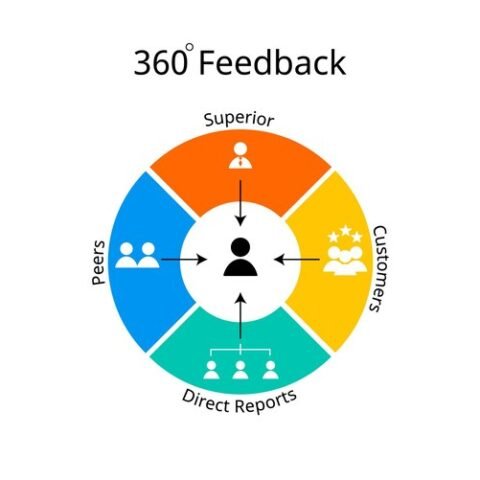
Introduction Multi-rater or 360-degree feedback is a performance appraisal method involving input from supervisors, peers, subordinates, and sometimes customers. This comprehensive feedback mechanism provides a multidimensional view of performance, moving

Introduction Performance appraisal is a systematic evaluation of employees to assess their contribution to organizational goals and to make informed human resource decisions. According to Aamodt (2015), performance appraisal serves