
Introduction
Substance-related and substance-induced disorders represent a major category within the DSM-5, encompassing harmful patterns of substance use that result in maladaptive behavior, psychological change, physiological dependence, and impairment across social, occupational, and interpersonal domains. Among the most widely used and clinically significant substances are alcohol and cannabis, each associated with its own set of diagnostic criteria, risk factors, acute and chronic effects, and treatment challenges.
The DSM-5 classifies substance-related disorders into two broad groups:
- Substance Use Disorders (SUDs) – chronic patterns of maladaptive use
- Substance-Induced Disorders – intoxication, withdrawal, and substance-induced mental conditions (e.g., psychotic, anxiety, sleep disorders)
Alcohol and cannabis remain the two most frequently used psychoactive substances globally. Alcohol, despite being legal, is one of the leading causes of preventable morbidity and mortality. Cannabis, increasingly legalized in many countries, continues to show rising recreational use, clinical use, and associated mental health complications.
Read More: Personality Disorder
1. Substance-Related Disorders
Before examining alcohol and cannabis separately, it is important to outline key DSM-5 concepts.
Substance Use Disorder (SUD)

Substance-Use Disorders
Diagnostic Features (DSM-5)
SUD is defined as a problematic pattern of substance use leading to significant impairment or distress, indicated by two or more symptoms within 12 months:
1. Impaired Control
- Using larger amounts than intended
- Persistent desire or unsuccessful attempts to cut down
- Excessive time spent obtaining, using, or recovering
- Craving or strong desire to use
2. Social Impairment
- Failure to fulfill responsibilities
- Social or interpersonal problems
- Giving up important activities
3. Risky Use
- Using in hazardous situations
- Continued use despite knowledge of harm
4. Pharmacological Criteria
- Tolerance (needing more to achieve the effect)
- Withdrawal (physiological symptoms after stopping)
Severity:
- Mild: 2–3 symptoms
- Moderate: 4–5
- Severe: 6 or more
Substance-Induced Disorders
These include:
- Intoxication – reversible effects during/after use
- Withdrawal – physiological disturbances during cessation
- Substance-Induced Mental Disorders:
- psychotic disorders
- anxiety disorders
- depressive disorders
- bipolar-like disorders
- neurocognitive disorders
Alcohol and cannabis can produce both intoxication and withdrawal states, but the severity and features vary substantially.
Alcohol-Related Disorders
Alcohol is a central nervous system depressant and one of the most widely used psychoactive substances worldwide. Chronic use affects cognitive abilities, emotional stability, physical health, and social functioning, making it one of the most clinically significant substance categories in the DSM-5.
Types of Alcohol-Related Disorders (DSM-5)
- Alcohol Use Disorder (AUD): A chronic pattern of alcohol consumption that leads to tolerance, withdrawal, and significant life impairment.
- Alcohol Intoxication: A reversible state characterized by behavioral and psychological changes such as impaired judgment, slurred speech, and poor coordination.
- Alcohol Withdrawal: Occurs when heavy or prolonged alcohol use stops abruptly, causing symptoms such as tremors, anxiety, hallucinations, and seizures.
- Alcohol-Induced Mental Disorders
- Alcohol-induced psychotic disorder
- Alcohol-induced depressive disorder
- Alcohol-induced anxiety
- Alcohol-induced sleep disorder
- Alcohol-induced neurocognitive disorder (e.g., Wernicke-Korsakoff syndrome)
Diagnostic Features of Alcohol Use Disorder
DSM-5 recognizes several characteristic symptoms:
1. Physiological Dependence
- Tolerance
- Withdrawal
2. Compulsive Alcohol-Seeking
- Difficulty reducing consumption
- Drinking more than intended
3. Impaired Functioning
- Neglect of personal, academic, or occupational responsibilities
- Social conflicts
4. Persistent Use Despite Harm
- Liver disease
- Injuries
- Interpersonal problems
5. Behavioral and Cognitive Changes
- Loss of control
- Memory impairment
- Poor decision-making
Causes and Risk Factors of Alcohol-Related Disorders
Alcohol use disorders emerge from a combination of biological, psychological, and social factors.
Biological Causes
- Genetic Predisposition: Family and twin studies show strong heritability (40–60%).
- Neurochemical Factors
- Increased dopamine release in the brain’s reward pathways
- Reduced GABA sensitivity
- Increased glutamate excitability during withdrawal
- Brain Structure and Function: Chronic alcohol use affects:
- prefrontal cortex (decision-making)
- cerebellum (coordination)
- hippocampus (memory)
Psychological Causes
- Stress and Trauma: Alcohol may act as a coping mechanism.
- Personality Traits
- Impulsivity
- Sensation-seeking
- Aggressiveness
- Expectancy Theory: Belief that alcohol helps relaxation increases consumption.
- Comorbid Mental Disorders: Depression, anxiety, and BPD increase vulnerability.
Social and Environmental Causes
- Peer Influence: Heavy drinking culture reinforces use.
- Family Modeling: Children of heavy-drinking parents show higher risk.
- Cultural Norms: Societies with high alcohol acceptance show greater misuse.
- Availability: Legal and social accessibility increases risk.
Treatments for Alcohol-Related Disorders
Evidence-based interventions include behavioral, pharmacological, and psychosocial approaches.
Psychotherapeutic Interventions
- Cognitive-Behavioral Therapy (CBT): Helps identify triggers and modify maladaptive drinking patterns.
- Motivational Interviewing (MI): Enhances commitment to change.
- Relapse-Prevention Training:Teaches coping strategies for high-risk situations.
- Family Therapy: Strong evidence in adolescents.
- 12-Step Programs (e.g., Alcoholics Anonymous): Peer support and structured recovery model.
Pharmacological Treatments
- Disulfiram: Produces aversive reactions to alcohol.
- Naltrexone: Reduces craving and pleasurable effects.
- Acamprosate: Restores neurochemical balance.
- Benzodiazepines for Withdrawal: Prevents seizures and delirium tremens.
Medical Management
For severe withdrawal:
- inpatient detoxification
- IV fluids
- nutritional supplements
- thiamine to prevent Wernicke-Korsakoff syndrome
2. Cannabis-Related Disorders
Cannabis is one of the most widely used psychoactive substances, with increasing legalization globally. Although perceived as less risky than alcohol, cannabis use can lead to dependence, cognitive impairment, and psychological disorders.
Cannabis-Related Disorders
Types of Cannabis-Related Disorders (DSM-5)
- Cannabis Use Disorder: Problematic use leading to impairment.
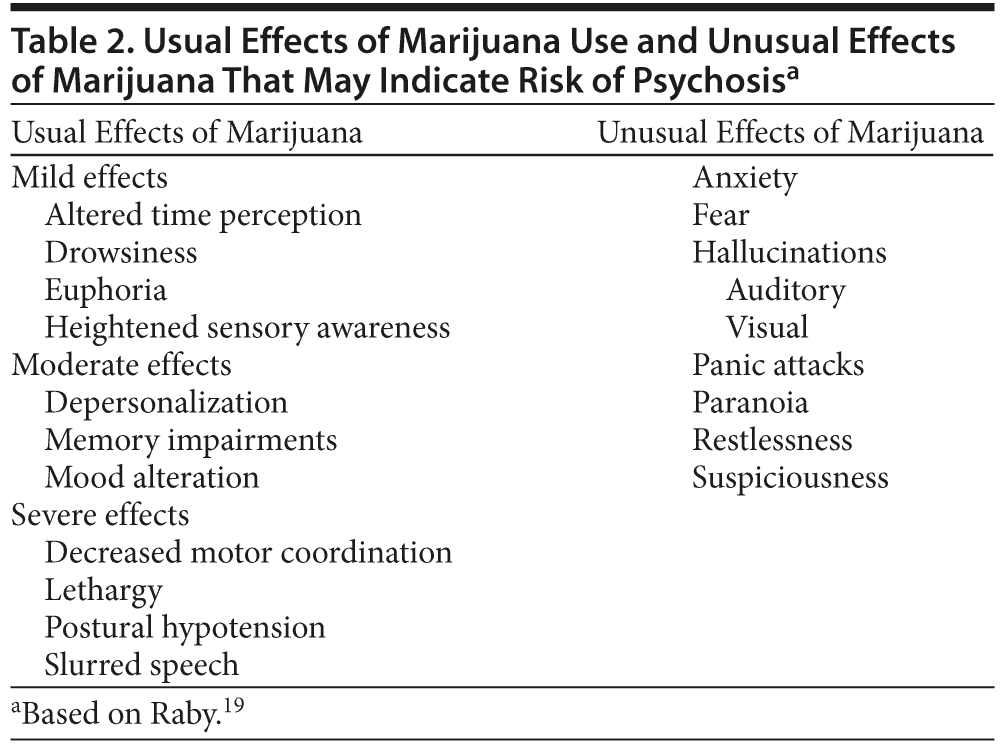
- Cannabis Intoxication: Cognitive and perceptual changes including euphoria, altered sensory perception, anxiety, or paranoia.
- Cannabis Withdrawal: Symptoms include irritability, sleep disturbances, decreased appetite, anxiety, and cravings.
- Cannabis-Induced Disorders: This includes-cannabis-induced psychotic disorder, cannabis-induced anxiety disorder, and cannabis-induced sleep disorder
Diagnostic Features of Cannabis Use Disorder
Core DSM-5 symptoms include:
- Compulsive Use: Difficulty controlling consumption.
- Craving: Intense desire to use.
- Tolerance: Needing higher amounts for same effect.
- Withdrawal: Symptoms upon cessation.
- Behavioral Impairment: This includes-reduced productivity, impaired coordination, and social or academic problems.
- Psychological Effects: This includes-anxiety, paranoia, and decreased motivation
- Cognitive Effects: This includes-poor memory, slower processing, and decreased attention
Causes and Risk Factors of Cannabis-Related Disorders
Some causes include:
1. Biological Factors
- Genetic Vulnerability: Heritability estimates range from 30–50%.
- Brain Effects: Cannabinoids affect: prefrontal cortex (planning), hippocampus (memory), and amygdala (emotion). THC overstimulates receptors, leading to altered cognition.
2. Psychological Causes
- Coping with Stress: Used as a self-medication tool.
- Escape from Negative Emotions: Depression and anxiety are common triggers.
- Expectancy Effects: Belief that cannabis enhances mood or creativity.
Social Causes
- Peer Use: Strong predictor of initiation.
- Cultural Acceptance: Perceived harmlessness encourages experimentation.
- Early Exposure: Use before age 16 predicts higher dependence risk.
Treatments for Cannabis-Related Disorders
Some treatments include:
1. Psychotherapeutic Approaches
- Cognitive-Behavioral Therapy (CBT): Corrects distorted beliefs and teaches coping skills.
- Motivational Enhancement Therapy (MET): Increases motivation for abstinence.
- Contingency Management: Rewards abstinence confirmed by urine tests.
- Family-Based Approaches: Effective for adolescents and young adults.
2. Pharmacological Approaches
Currently, no FDA-approved medication, but research explores:
- SSRIs for anxiety or depression
- Gabapentin for withdrawal
- Cannabidiol (CBD) being studied for cravings
3. Psychoeducation
Teaching individuals about risks, cognitive impairment, and long-term effects.
Differences Between Alcohol and Cannabis Disorders
Alcohol and cannabis remain the two most prominent psychoactive substances worldwide, each associated with significant mental, physical, and social consequences. Alcohol, though legal, contributes heavily to global morbidity and mortality due to its high addiction potential and severe withdrawal symptoms. Cannabis, often considered less harmful, can still cause dependence, cognitive impairment, and serious psychological problems, including psychosis in vulnerable individuals.
Understanding the diagnostic criteria, risk factors, psychological mechanisms, and treatment approaches for both alcohol- and cannabis-related disorders is essential for clinicians, educators, and mental health professionals. Evidence-based treatments — including CBT, motivational interviewing, contingency management, and pharmacological support — provide meaningful pathways toward recovery.
References
American Psychiatric Association. (2013). Diagnostic and Statistical Manual of Mental Disorders (5th ed.).
Barlow, D. H., & Durand, V. M. (2005). Abnormal Psychology (4th ed.). Brooks/Cole.
Butcher, J. N., Mineka, S., & Hooley, J. M. (2014). Abnormal Psychology (15th ed.). Pearson.
Carson, R. C., Butcher, J. N., & Mineka, S. (2007). Abnormal Psychology (13th ed.). Pearson.
Nevid, J. S., Rathus, S. A., & Greene, B. (2014). Abnormal Psychology (9th ed.). Pearson.
Sarason, I. G., & Sarason, R. B. (2002). Abnormal Psychology: The Problem of Maladaptive Behavior (10th ed.). Pearson.
Sue, D., Sue, D. W., & Sue, S. (2006). Abnormal Behavior (8th ed.). Houghton Mifflin.
World Health Organization (2019). ICD-11: International Classification of Diseases.
Niwlikar, B. A. (2025, December 10). Substance-Related and Substance-Induced Disorders: Diagnosis, 2 Important Types, Causes, and Treatments. Careershodh. https://www.careershodh.com/substance-related-disorders/